When the alarm clock rang, the dog in the cage also began to bark. The new employee of the shelter I played stood in the corridor full of the smell of disinfectant water, holding a cleaning list in his hand. The first task is not to feed, but to clean up the vomit — the Labrador called “cookie” vomited again because of too much pressure. _To the Rescue!_ There is no romantic filter at the beginning. It directly tells me that salvation is never a grand word, but a mop, disinfectant and canned food that is never enough.
The shelter is very small, and resources are always in need. Dog food should be carefully calculated. Vaccines can only be given to the animals that need it most, and the heating system is half broken. Every choice I make has consequences: if I give extra snacks to the Chihuahua who is afraid of cold, the Doberman in the cage next door will hang his ears in disappointment; spend time with the timid cat to socialize, and the blanket in the laundry room will not be dry in time. The game presents the “limited nature of care” in the simplest way — love is infinite, but time, money and energy are not.
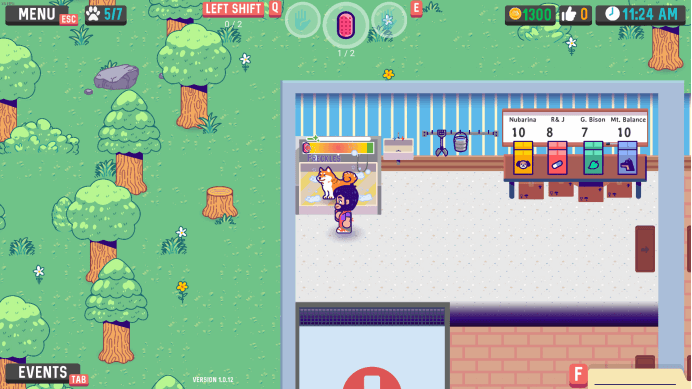
The adoption process is the most important. Each animal has detailed files: the reasons for abandonment, health problems, and personality characteristics. Adopters also have their own needs: families with children want to be docile, and the elderly living alone want to be quiet. Pairing is not a simple click. I need to observe the interaction — is the dog that has been abused willing to be touched by a stranger? Are you afraid that a man’s cat will be angry with the new owner? When I succeed, the animals will look back at me and wag their tails gently; when they fail, they shrink back into the corner of the cage, which makes me can’t help but re-read the file and doubt whether I have made a mistake in judgment.
The most difficult decision is about euthanasia. When the medical expenses of seriously ill animals exceed the budget, and when aggressive dogs fail to train repeatedly, the system will jump out of the option. There is no standard answer, only constant questioning: Am I ending the pain or escaping from difficulties? The game does not beautify any choice, but only records the results — the survival resources of other animals will increase, but the morale of the staff will decline, and my character will dream about that animal.
As the game progresses, the story of the shelter gradually unfolds. The volunteer old lady comes to knit sweaters for kittens every day, middle school students donate dog food with pocket money, and the man who comes every week but never adopts them, always leaves silently after cleaning the yard. They made me understand that rescue is not a heroic story of one person, but a net woven of small goodwill.
At the end of the game, the shelter was still tight on funds and the cage was still not enough. But the “cookie” was taken away by a girl who often ran, and there was another thank-you card on the photo wall. I saved the exit, and the neighbor’s dog barked outside the window.
_To the Rescue!_ didn’t make me a hero who saved all animals. It made me a person who did his best within his ability. The real rescue may never solve all the problems, but still choose to pick up the mop and clean up the next cage after seeing the problem. Because every life that is taken seriously deserves a clean tomorrow.