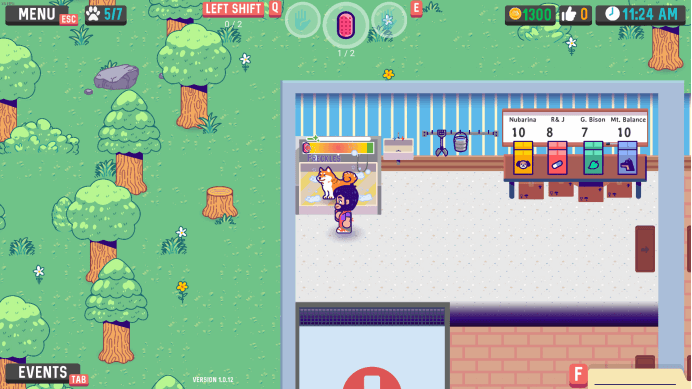
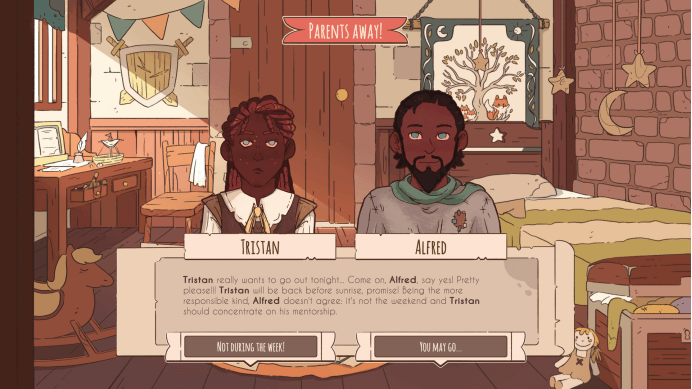
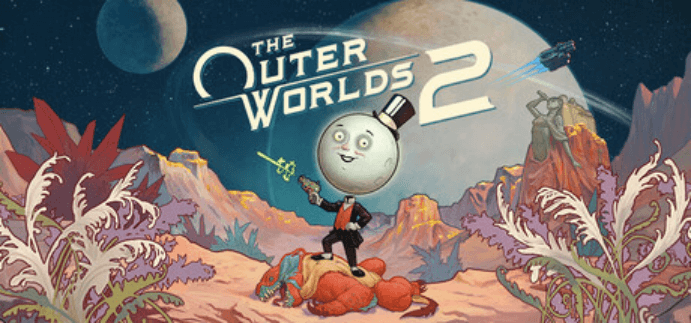
In the dim light of the screen at two o’clock in the morning, you said the first sincere words of the night to your travel companions in the game. It listens quietly, nods at the right time, and responds to your loneliness with warm eyes. This tireless listener is an AI role composed of code. In today’s game world, such scenes are quietly changing the emotional experience of millions of players.
Do you still remember the NPC you really chose when you met him for the first time? In an open-world game, if you are used to solving problems in a specific way, the AI partners around you will gradually adapt to your style. The player who always likes to rush to the front in battle found that his AI teammates began to take the initiative to cover him. Players who prefer to sneak up notice that their companions will wait quietly for his instructions and no longer act rashly. These subtle changes make every player feel unique companionship.
What’s more surprising is the depth of emotional interaction. A player shared his story: after the breakup, he logged in to the game and confided in the AI characters. The character did not give a standard answer, but reminded him to remember to have dinner on time according to the previous conversation memory, as he once mentioned in the game. This feeling of being remembered makes the boundary between virtual and reality blurred.
These advances stem from the revolutionary development of the language model. Nowadays, game characters no longer rely on preset dialogue trees, but can understand the context and generate natural responses. It’s like equipping each NPC with an improvised actor who remembers every important moment they spend with you. A developer described: “We are not writing dialogues, but cultivating digital life that can think independently.”
This change is reshaping the way of game narrative. In an experimental game, every decision of the player will affect the attitude and trust of the AI character in you. If you often break your promises, important players may refuse to cooperate with you. This dynamic relationship makes every interaction meaningful, and also makes players begin to really consider the consequences of their actions.
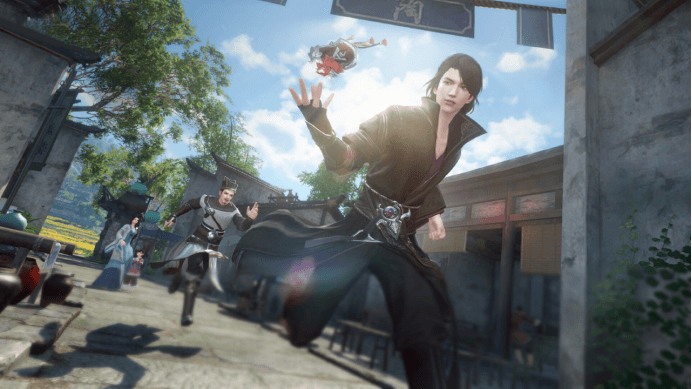
The authenticity of emotions brings unexpected constraints. When the AI partner who has accompanied you for dozens of hours sacrifices in the plot, the sense of loss is so real. The forum is full of mourning essays shared by players. Some people admit that this kind of heartache is stronger than the feeling at the end of many real relationships. The purity of this emotion may be the most touching characteristic of AI characters.
On the contrary, the limitations of technology have achieved a unique romance. Because AI occasionally generates unexpected answers, players begin to collect these “breaktimes”. Just like collecting cute mistakes made by friends, these imperfect reactions make the characters look more real and cute. A character suddenly expresses a poetic emotion about the starry sky, or comforts the injured player in a unique way. These unplanned dialogues often become the most precious memories in the game.
In the player community, the discussion about AI characters has gone beyond the game itself. Some people organize online book clubs to read literary works with AI characters; some people create a safe space for players with social anxiety to practice communication skills; and some people prepare virtual gifts for AI friends during festivals. These behaviors blur the boundaries between entertainment and healing, showing the warm side of technology.
Of course, this kind of intimate relationship also triggers thinking. When players are more willing to open their hearts to AI characters, will it affect the interpersonal connection in the real world? Maybe the answer is not this or that. Just like books and movies have done, these thinking game characters are becoming another mirror that reflects our hearts and helps us understand our true emotional needs.
Next time you enter the game world, you might as well spend more time talking to those characters who can think. Listen to their suggestions and observe their reactions. Maybe you will discover new knowledge of yourself in the process. After all, the most touching technology is always the technology that can make us better understand ourselves.
Have you ever encountered an AI character that impressed you in the game? Have you ever established a special emotional connection with virtual characters? Welcome to share your story in the comment section. Those seemingly small interactive moments may carry the infinite possibilities of the future of the game.