The feeling of opening the game subscription library is like standing in front of a buffet restaurant that never closes. You can choose from a variety of dishes, but when you visit for the second time, you may find that your favorite dish yesterday has disappeared from the menu. This is the sweetness and confusion brought by the modern game subscription system.
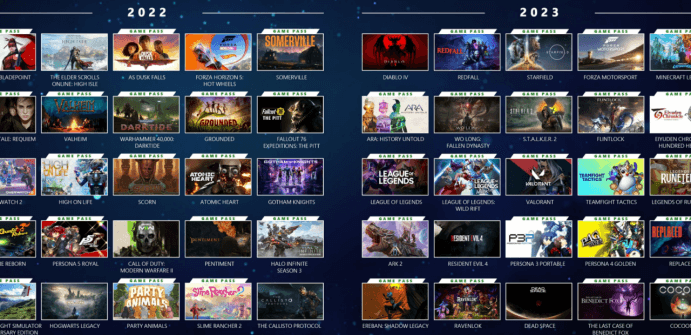
Do you still remember the surprise when you first found your favorite game in the subscription service? No need to wait for the promotion, no need to compare prices, click download to start playing. This instant satisfaction makes many players frankly say that they have tried creative works that they have never dared to buy. Just like walking into an infinitely extended game bookstore, you can read any chapter at will without having to pay for the whole book.
But the problem also followed. The game that you spent hundreds of hours in the subscription library suddenly disappeared with your archive one day. Although you have never really “owned” it, the sense of loss is surprisingly real. Some players wrote on the forum: “I’d rather buy it at double price than experience such a sudden farewell again.”
This mode is quietly changing our gaming habits. Before the popularity of the subscription system, players usually repeatedly tasted the games they bought out and revisited them from time to time like treasured good books. Now, we are more inclined to stop and switch between different games quickly like changing TV channels. A veteran player sighed, “My game duration statistics are more and more like the data report of watching short videos.”
Game developers feel complicated about this. Independent studios were surprised to find that their works could reach millions of potential players through the subscription service. At the same time, players’ expectations for the content of the game are also changing - they are more eager to have a quick experience than a slow-hot work that takes dozens of hours to appreciate the essence.
The most noteworthy thing is the redefinition of digital ownership. When we pay the monthly fee, what we get is actually “access” rather than “ownership”. It’s like renting a well-decorated apartment. Although it’s comfortable and convenient, you can’t nail your favorite paintings to the wall. Those archives that cannot be transferred and digital collections that cannot be inherited are reminding us of the temporary nature of this relationship.
However, the subscription system has indeed broken the economic threshold. So that students can also enjoy 3A masterpieces, so that players with limited budgets can enjoy multiple new works at the same time. This inclusiveness makes the game community more diverse and active. Just as the emergence of public libraries has never eliminated the sale of paper books, but has cultivated more reading enthusiasts.
In the future picture of the game industry, the subscription system and the buyout system are likely to coexist for a long time. Just like today’s music market, some people subscribe to streaming services to discover new songs, and some people continue to buy vinyl records to collect and love. The important thing is not which model is better, but that they meet different emotional needs.
Next time you face a sea of games that subscribe to Curry, you might as well ask yourself: are you looking for a fast food that can fill your time, or a feast worth tasting again and again? Your choice is quietly shaping the future of the game industry.
Do you have any buy-out games in your game library that you are reluctant to delete, even if you know that they may never start again? Welcome to share the “ownership” story between you and the game in the comment section, which may help us understand this changing era.