When the refrigerator was opened for the first time, the sound of the metal drawer slipping out was particularly clear in the silence. There was an old man lying in it, and there were traces of paint in the wrinkles that had not been washed. There are combs, needles, cosmetics and a bottle of unknown antiseptic solution on my workbench. There is no thrilling soundtrack, no sudden shock, only the morning light through the high window, and the dust flies slowly in the light. _A Mortician’s Tale_ tells me from the first minute that death is not an emergency, but a daily craft that requires patience and respect.
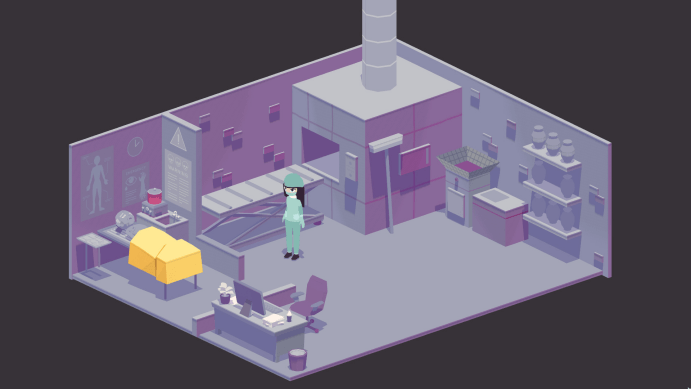
My daily work is very specific. Clean the body for the deceased, sew the wounds, adjust the facial expression, and choose the right birthday clothes. Each step has a simple interactive operation: click the sponge to wipe, drag the needle and thread to sew, and match the skin tone with the color plate. But the real focus of the game is not on the accuracy of the operation, but the story that emerges in the process through the belongings of the deceased, family requirements and files, I gradually pieced together who they are: the old man with paint marks is a retired art teacher. The man who always wears flower shirts actually silently funded three orphans, while the young girl left The diary is full of regrets about the unpublished novels.
What touched me most was the meeting with my family. What they brought was not a dramatic collapse, but a restrained sadness: a trembling hand handed over a suit and whispered, “This is what he wore when he got married”; the old woman repeatedly adjusted the angle of the photo to make the light “warmer”. There are very few dialogue options, most of which are “condolences” or “I will try my best”. But it is this kind of whiteness that makes every nod and every quiet companionship become a more solemn promise than words. The game does not make me a hero who heals sadness, but only makes me the one who makes sure that everything goes well before the farewell ceremony.
As time went by, I witnessed the changes in this industry. Traditional burials were gradually replaced by cremation, and eco-friendly coffins became popular. Some family members proposed to hold a party to “celebrate life” instead of a mourning party. The game calmly shows the changes in people’s attitudes towards death through work orders, industry magazines and conversations with colleagues. I also need to make a choice: should I recommend cheaper options to families with financial difficulties? Do you want to try the emerging body composting technology? There is no standard answer, only continuous reflection: what kind of farewell is true respect for life?
In the later stage of the game, I dealt with the funeral arrangements for one of my relatives. The process is the same as usual: cleaning, tidying up, makeup. But the hand was shaking, and the needle and thread were stitched crooked for the first time. At that moment, I suddenly understood the eyes of all the previous family members — it turned out that the real difficulty was not the technology, but the professional gentleness when I was heartbroken. After saving and exiting, I sat in front of the computer for a long time, thinking carefully about what to write in my will for the first time.
_A Mortician’s Tale_ has no thrilling plot. It only has an eternally quiet preparation room and countless farewells that need to be treated gently. It reminds me that when I was a child, I saw my grandmother mend socks, and the needles were fine and neat. At that time, I didn’t understand why I had to repair the worn-out things. Now I understand: it is a serious repair of damage and a gentle resistance to fading. In this game, every stitch, every wipe is the last and quiet repair of life — not to reverse death, but only to leave a little complete dignity in the final farewell.